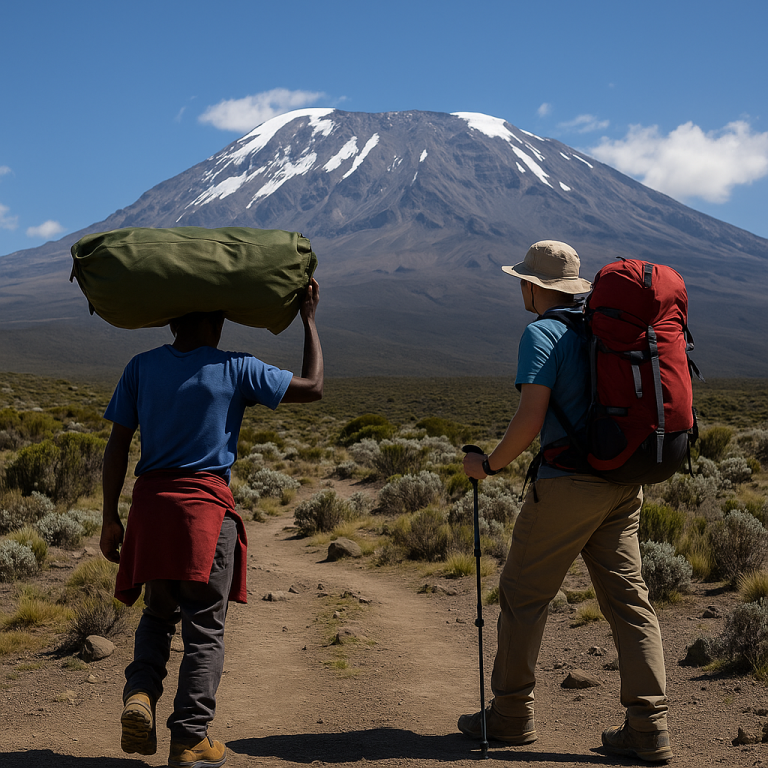
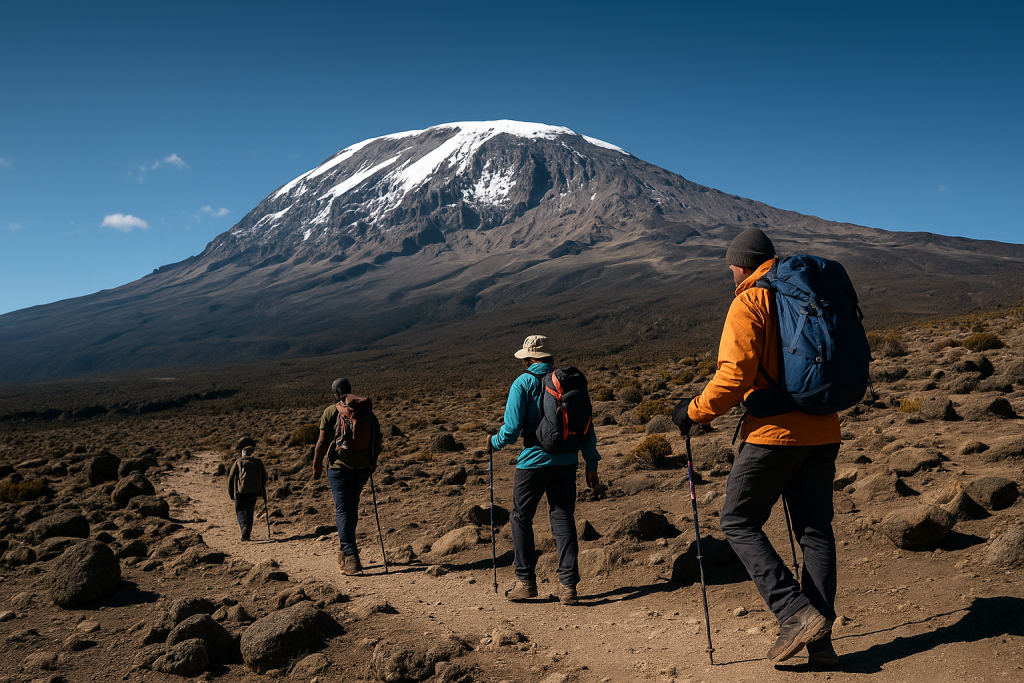
Is Kilimanjaro safe? The answer is yes when you prepare properly and choose the right team.
Climbing Mount Kilimanjaro is a non-technical trek, but the altitude makes it a serious high-mountain expedition. Understanding Kilimanjaro safety tips before you go dramatically increases your chances of reaching the summit confidently and responsibly.
Below are the seven most important things to know to climb Kilimanjaro safely.
1. Altitude Is the Real Challenge (How to Avoid Altitude Sickness on Kilimanjaro)
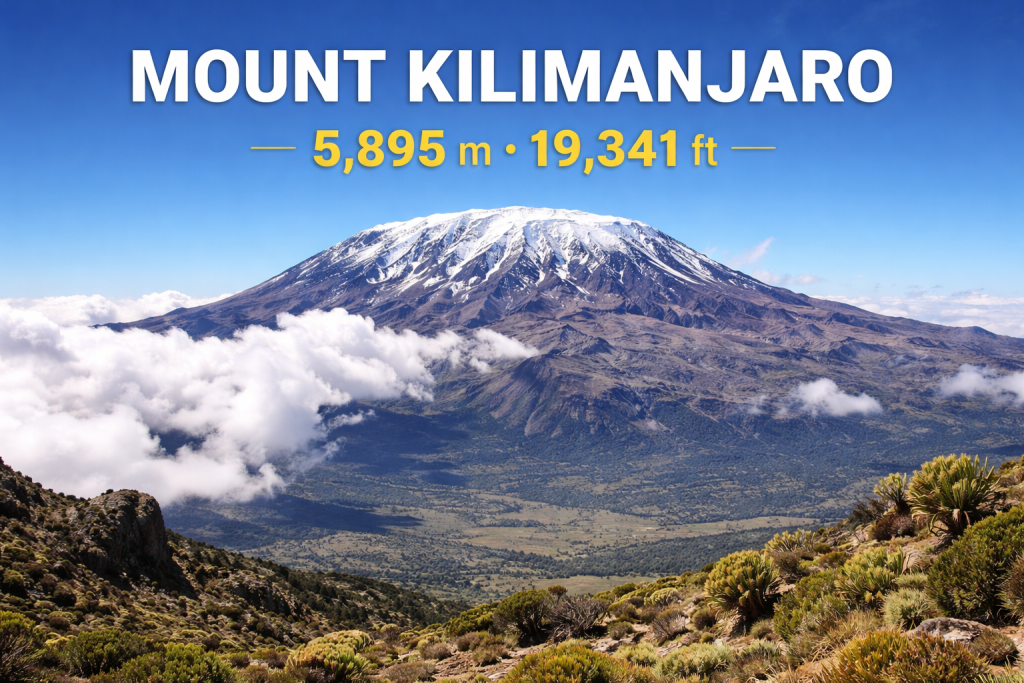
Kilimanjaro rises to 19,341 feet (5,895 meters). The biggest risk isn’t terrain — it’s altitude.
To reduce your risk of altitude sickness:
- Choose a 7–8 day itinerary minimum
- Climb slowly (“pole pole”)
- Drink 3–4 liters of water daily
- Eat consistently
- Communicate symptoms early
💡 Did You Know?
Over 90% of serious Kilimanjaro incidents are altitude-related and most are preventable with proper acclimatization and pacing.
2. Choose a Longer Route for Safer Acclimatization
The safest Kilimanjaro routes are those that allow your body time to adjust.
Recommended routes for safety:
- 8-Day Lemosho Route (excellent acclimatization profile)
- 7-Day Machame Route (gradual ascent design)
Avoid rushed 5–6 day itineraries if safety and summit success matter to you.
3. Train for Endurance, Not Speed
Kilimanjaro climbing safety starts months before you arrive.
Focus on:
- Long hikes with elevation gain
- Stair climbing or incline treadmill
- Core and leg strength
- Carrying a weighted daypack
Building endurance reduces fatigue and fatigue increases risk.
4. Wear the Right Gear (Improper Gear Is a Safety Risk)
Weather shifts dramatically across climate zones.
Essential safety gear includes:
- Waterproof outer shell
- Insulated summit jacket
- Broken-in hiking boots
- Warm gloves + hat
- Headlamp with backup batteries
Layering properly protects you from hypothermia and exhaustion.
5. Choose a Safety-Focused Kilimanjaro Operator
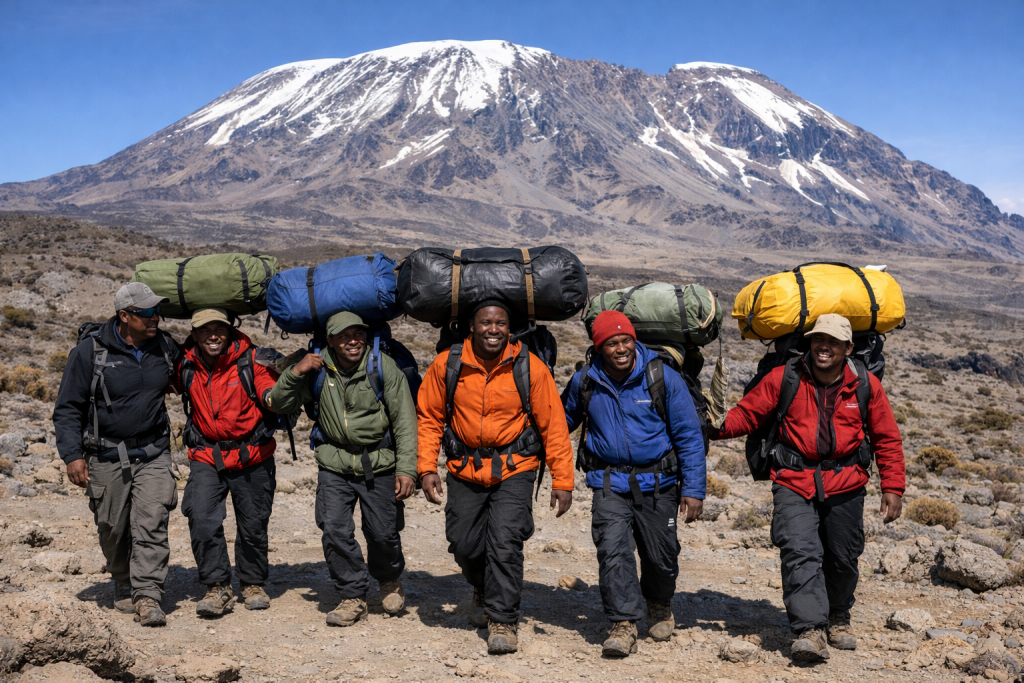
Your tour operator is the most important safety decision you’ll make.
Look for companies that provide:
- Twice-daily health checks (pulse oximeter readings)
- Emergency oxygen on every climb
- Certified and experienced guides
- Clear evacuation protocols
- KPAP-verified ethical porter treatment
- Small group sizes for better monitoring
A responsible operator will always prioritize your health over summit pressure.
6. Prepare Mentally for Summit Night
Summit night begins around midnight and can last 6–8 hours in freezing, high-altitude conditions.
To stay safe:
- Move slowly and steadily
- Eat small snacks
- Hydrate even when tired
- Report symptoms immediately
Mental pacing is just as important as physical strength.
7. Listen to Your Body The Summit Isn’t Worth the Risk
Warning signs to never ignore:
- Severe headache
- Persistent vomiting
- Loss of coordination
- Confusion
- Shortness of breath at rest
The safest climbers are those who turn around when necessary. Kilimanjaro will always be there.
Kilimanjaro Safety Checklist
| Safety Factor | Why It Matters |
|---|---|
| Longer Itinerary | Better acclimatization |
| Small Groups | Closer health monitoring |
| Oxygen Available | Emergency altitude support |
| Certified Guides | Medical awareness & decision making |
| High-Camp Strategy | Shorter summit push |
| KPAP Membership | Ethical crew treatment |
Why Climb Kili Prioritizes Safety
Climb Kili builds safety into every expedition:
- Maximum 6 climbers per group
- 7–8 day itineraries only
- Strategic use of Kosovo Camp for acclimatization advantage
- Twice-daily medical checks
- Emergency oxygen carried on every climb
- KPAP-verified porter treatment
- U.S. and Tanzania-based support teams
Summit success should never compromise safety or integrity.
Frequently Asked Questions
Is Kilimanjaro dangerous?
Kilimanjaro is not technically dangerous, but altitude can pose risks. With proper acclimatization and a professional guide team, it is considered safe for prepared trekkers.
What is the safest route on Kilimanjaro?
Longer routes like the 8-Day Lemosho and 7-Day Machame offer better acclimatization and higher success rates.
How common is altitude sickness on Kilimanjaro?
Mild symptoms are common. Serious complications are rare when climbers follow proper pacing and descend if needed.
Can beginners climb Kilimanjaro safely?
Yes. With training, preparation, and the right operator, beginners regularly summit safely.
What makes a Kilimanjaro climb safe?
Longer itineraries, small groups, certified guides, oxygen availability, and ethical operations all contribute to a safe climb.
Final Thoughts
Climbing Kilimanjaro safely isn’t about being fearless it’s about being informed.
Choose the right itinerary. Train smart. Pack properly. Climb with a team that puts safety first.
With preparation and the right support, standing on the Roof of Africa can be one of the most empowering achievements of your life.
✅ Ready to climb with a trusted and experienced KPAP partner?
Start with Climb Kili — a top-rated, locally owned tour company committed to safe and ethical climbs ➝ https://climbkili.com
Tutaonana juu ya mlima (See you on the mountain) 💚🏔️